
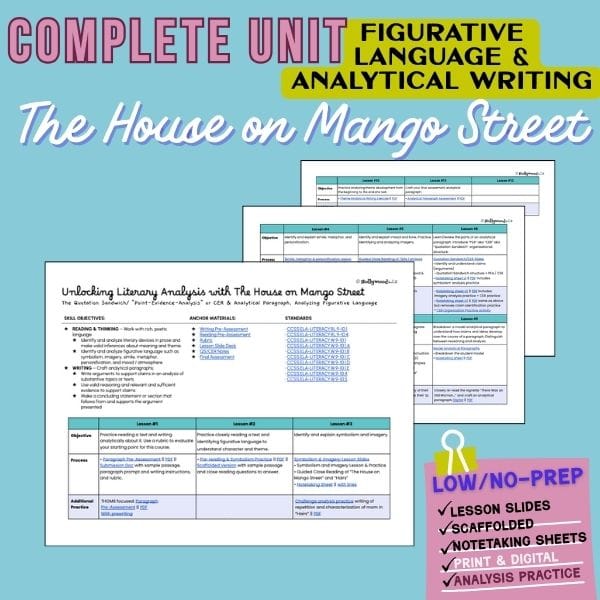
Unlocking Literary Analysis with The House on Mango Street | Unit Overview & Pacing Guide
Complete figurative language and analytical writing unit for The House on Mango Street.
A Complete Figurative Language & Analytical Writing Unit
This complete instructional unit is designed to help students develop real literary analysis skills—not just complete assignments—while reading The House on Mango Street.
Rather than prioritizing coverage of every vignette, this unit intentionally focuses on key passages that allow students to practice analyzing symbolism, imagery, figurative language, mood, tone, and theme, and to apply those insights in structured analytical writing.
The unit reflects how I teach the novel in mixed-level classrooms when my goal is to build students’ confidence with close reading and analytical paragraphs, not rush through the text.
What Makes This Unit Different
Many students struggle with literary analysis not because they lack ideas, but because they lack models, repetition, and structure.
This unit is designed as a skills-based sequence, giving students:
- Explicit modeling of literary analysis
- Repeated practice with figurative language and evidence
- Scaffolded analytical writing opportunities
- Clear expectations for reasoning and explanation
By working with short, high-impact excerpts, students learn how to analyze before being asked to do it independently.
How the Unit Is Organized
This unit is delivered through a clickable pacing guide that functions as a central hub for all lessons and materials.
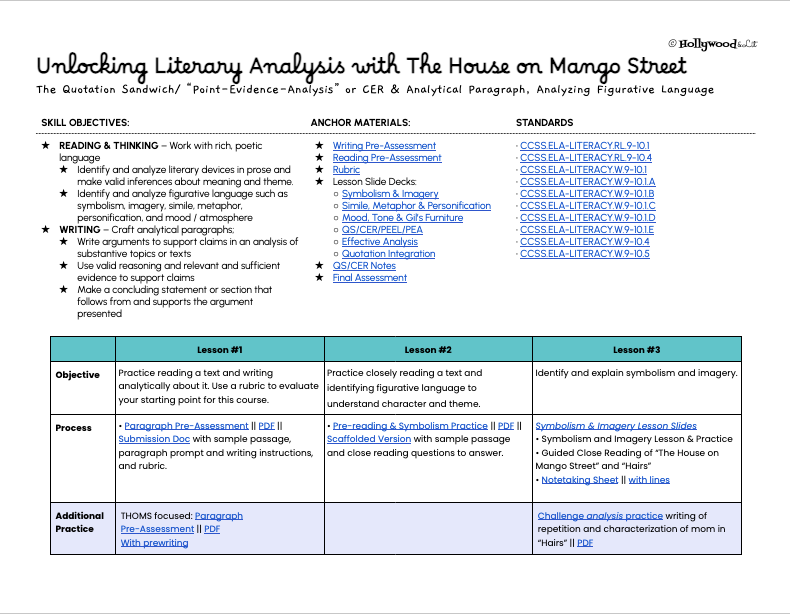
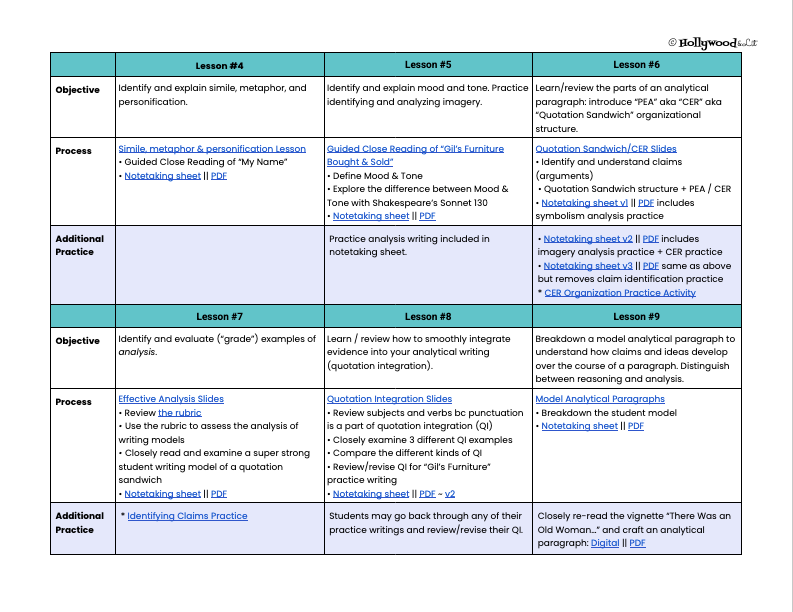
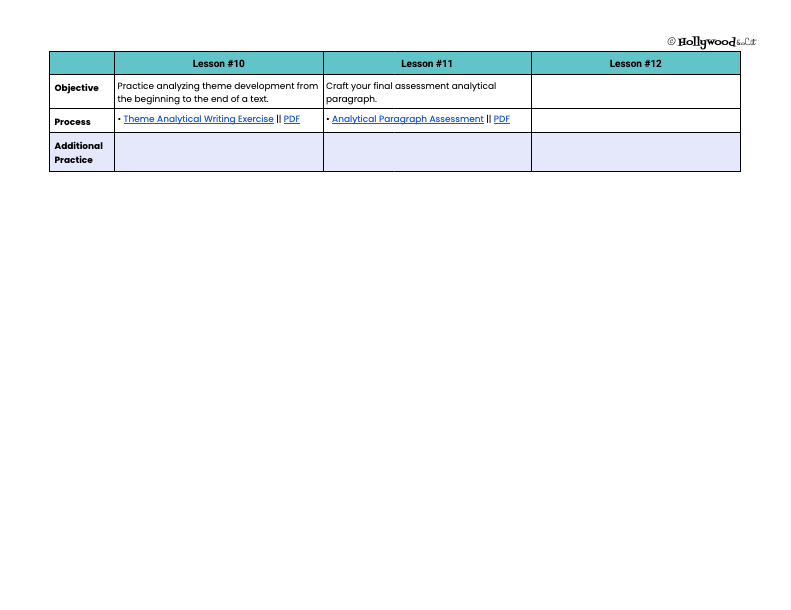
Images of the House on Mango Street Overview & Pacing Guide
Each lesson links directly to:
- View-only Google Slides for whole-class instruction
- Editable Google Docs for student note-taking and writing practice (forced copy)
- Print-ready PDFs of all student-facing materials
All slide decks include accompanying student handouts and practice pages. For lessons without slide decks, printable materials are included directly in the unit download.
This structure allows for digital, print, or hybrid instruction, with flexibility to follow the full sequence or select individual lessons as needed.
What’s Included
- A full 11–12 lesson instructional sequence
- Guided lessons on:
- Symbolism & imagery
- Simile, metaphor, and personification
- Mood & tone
- Quotation integration (CER / PEA / quotation sandwich)
- Effective literary reasoning
- Model analytical paragraphs with annotations
- Scaffolded analytical writing practice
- Pre-assessment and final analytical paragraph assessment
- Editable student materials + printable PDFs
Best For
- Grades 7–10 ELA
- Mixed-level or inclusion classrooms
- Writing resets or skills labs
- Teachers who want explicit modeling + repeated practice
- Homeschool families, tutors, and small learning pods
Estimated Duration
- 2–4 weeks, depending on pacing and writing depth
- Lessons are modular and can be condensed or extended
Instructional Focus
- Figurative language analysis
- Close reading and inference
- Evidence-based reasoning
- Analytical paragraph writing
- Theme development and synthesis
Final note
This unit is designed to teach literary analysis as a skill, not simply assess it. Students are given the time, structure, and support needed to move from surface-level responses to thoughtful, evidence-based analysis.